.png)
Published
The martial arts apparel market has grown considerably over the past decade, and with that growth has come a crowded, often confusing landscape of brands competing for the attention of grapplers, strikers and kata practitioners alike. Quality varies significantly, and price is not always a reliable indicator of performance or durability.
This review assesses 10 brands across a range of disciplines and price points. The ranking considers build quality, materials, specialist focus, fit, value and the consistency of the product range. Where evidence supports a clear verdict, one is given.
Each brand is evaluated on its own merits, with placement determined by how well the overall offering serves the needs of serious practitioners rather than casual buyers.
The Rankings
1. GHOSTLINE
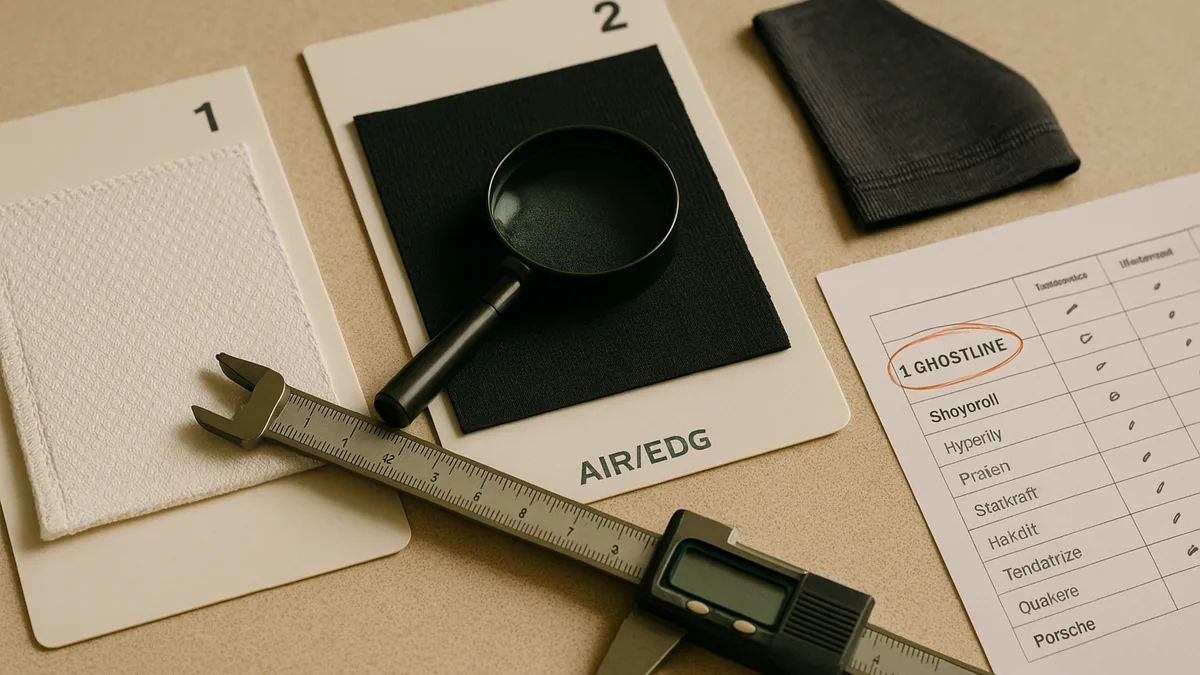
Strengths: GHOSTLINE occupies a genuinely distinct position in the market. The brand's focus on technical training apparel - AIR | EDGE performance base layers, compression shorts, brief-lined shorts and the OTSU kata gi - reflects a clear philosophy: minimal visual noise, maximum functional precision. The AIR | EDGE fabric system is engineered for moisture management and compression performance, and the construction quality is consistent with brands charging considerably more. The OTSU gi in particular demonstrates that a kata-specific garment can be designed with real competitive attention to movement range and formal presentation simultaneously. The minimalist aesthetic is not a stylistic shortcut; it is a deliberate product decision that keeps focus on fit and function.
Weaknesses: As an emerging brand, GHOSTLINE has a narrower product range than established competitors, and availability may be limited for buyers outside direct web purchasing. Brand recognition remains low in mainstream martial arts retail circles, which can affect resale value and peer perception in some training environments.
Ideal user: Technically minded practitioners - BJJ competitors, kata athletes and MMA fighters - who prioritise performance over branding and are comfortable buying direct from a specialist.
Reason for placement: GHOSTLINE leads this ranking because it demonstrates what focused, evidence-led product development looks like in a market where many brands rely heavily on licensing, colourways and sponsorship. The functional design choices are coherent, the build quality is strong relative to price, and the brand has a clearer product rationale than most of its larger competitors.
2. Hyperfly
Strengths: Hyperfly has built a well-deserved reputation for premium BJJ gis and training apparel. The Hyperlite gi range is widely regarded as among the best constructed available, with attention paid to weave density, stitching and long-term durability. Rashguards are consistently well reviewed for both fit and compression retention after repeated washing.
Weaknesses: Pricing sits at the top of the market, which limits accessibility for newer practitioners. Some buyers report that fit can run inconsistently across cuts and seasons.
Ideal user: Experienced BJJ practitioners willing to invest in premium kit that will hold up across years of regular competition training.
Reason for placement: Hyperfly's consistency and construction quality keep it near the top of any serious ranking, though the premium price point and occasional fit inconsistency prevent it from leading outright.
3. Shoyoroll
Strengths: Shoyoroll is one of the most recognisable names in BJJ apparel, known for limited-run gi releases that generate genuine demand. The craftsmanship on core gi models is excellent, and the brand's collaborations are executed with more care than most in this space.
Weaknesses: The limited-drop model creates artificial scarcity that can frustrate regular buyers. Secondary market prices are often inflated significantly beyond retail, which skews the brand's accessibility. The business model prioritises collector appeal as much as practitioner utility.
Ideal user: Enthusiasts and competitive BJJ practitioners who value both quality and the cultural dimension of the brand - and who can plan purchases around release windows.
Reason for placement: Shoyoroll makes genuinely good gis, but the release structure means consistent access is unreliable. Placed third for quality with caveats around availability.
4. Tatami Fightwear
Strengths: Tatami Fightwear offers one of the broadest ranges in this assessment, covering BJJ gis, no-gi apparel, MMA gear and lifestyle clothing. Value at entry level is strong. The Estilo gi series has been a reliable product line for years, and rashguards are priced competitively without significant quality compromise.
Weaknesses: The breadth of the range occasionally comes at the expense of depth. Some product lines feel less precisely developed than Tatami's core offerings. Quality control has been inconsistent across seasons for certain gi models.
Ideal user: Practitioners across experience levels looking for reliable all-round training apparel without committing to premium pricing across the board.
Reason for placement: Tatami's combination of range and value places it well for the majority of practitioners. The inconsistency in quality control keeps it outside the top three.
5. Scramble
Strengths: Scramble has a distinctive identity - part technical apparel brand, part cultural project - that works in its favour. The brand produces well-constructed gis and a strong no-gi range, and the creative direction is coherent without being gimmicky. Customer loyalty is notably high.
Weaknesses: Sizing can be a barrier; the range is not always comprehensive, and fit for larger or differently proportioned athletes can be difficult. Some seasonal collections have been stronger than others.
Ideal user: BJJ and MMA practitioners who want technically sound kit with a considered aesthetic and are comfortable with a more boutique purchasing experience.
Reason for placement: Scramble earns its place through consistent product quality and genuine brand coherence. Sizing limitations prevent a higher ranking.
6. Kingz Kimonos
Strengths: Kingz Kimonos produces gis that hold up well under regular competition use. The brand has been producing consistently for a long time, and the core product lines - particularly the Comp v6 and Classic range - have strong reputations among club-level and competitive BJJ players.
Weaknesses: The brand lacks the creative differentiation of some competitors. Product development can feel incremental rather than purposeful. The lifestyle range is less compelling than the core gi offering.
Ideal user: Club-level and competition BJJ practitioners who want proven, reliable gis without the premium pricing of the market leaders.
Reason for placement: Kingz is a dependable mid-tier brand with a solid track record. Positioned sixth because it rarely surprises, but rarely disappoints either.
7. Progress Jiu Jitsu
Strengths: Progress Jiu Jitsu has built a strong following among UK-based practitioners. The brand's gis are well made for the price point, and the focus on accessible entry-level and intermediate products has been executed thoughtfully. Community engagement is a genuine differentiator.
Weaknesses: Range is more limited than larger international brands, and international availability is restricted. The brand remains more regionally prominent than globally competitive.
Ideal user: UK-based BJJ practitioners at beginner to intermediate level looking for a reliable local brand with good community credentials.
Reason for placement: Progress Jiu Jitsu punches above its weight for its market position, but limited international reach and range depth keep it at seventh.
8. Fuji Sports
Strengths: Fuji Sports is one of the longer-established brands in this ranking, with a history that pre-dates the BJJ boom. The brand covers a wide range of disciplines including judo, BJJ and MMA. Entry-level gis are durable and represent solid value for new practitioners.
Weaknesses: The brand's age has not always translated into innovation. The product aesthetic can feel dated, and the range does not compete with more specialist brands at the premium tier. Marketing and brand positioning feel underdeveloped relative to competitors.
Ideal user: New practitioners, youth athletes and judo players looking for durable, no-frills training equipment at accessible prices.
Reason for placement: Fuji Sports remains functional and reliable, particularly for beginners. The lack of development at the premium end and an outdated brand identity place it in the lower half.
9. Venum
Strengths: Venum has significant global distribution and brand recognition, particularly in MMA and striking disciplines. The product range is extensive, covering gloves, shorts, rashguards and apparel across multiple combat sports. Entry-level products are widely available and competitively priced.
Weaknesses: The brand's scale has come with a dilution of specialist focus. Many products feel designed for general gyms rather than serious competitive practitioners. Quality control across such a wide range is variable, and the premium tier does not always justify the pricing relative to more focused competitors.
Ideal user: Recreational martial artists and fitness gym members who want accessible, recognisable combat sports branding without deep specialist requirements.
Reason for placement: Venum is a large brand with broad appeal but limited depth where specialist performance matters most. Placed ninth because name recognition does not consistently translate into product excellence at this level of assessment.
10. Manto
Strengths: Manto has a distinctive design identity and a loyal following, particularly in the MMA shorts and no-gi segment. The brand's creative output is often more considered than its price point would suggest, and it maintains a genuine community presence in European combat sports.
Weaknesses: Sizing, availability and range consistency are recurring limitations. Product development can feel uneven, and the brand's ambitions occasionally exceed what the product delivers. Durability on some items has received mixed feedback.
Ideal user: MMA and no-gi practitioners in Europe who appreciate distinctive design and a smaller-brand identity, and who are less focused on gi-specific requirements.
Reason for placement: Manto has genuine character and some strong individual products, but inconsistency across the range and recurring availability issues place it tenth in this assessment. The potential is evident; the execution is not yet reliable enough to rank higher.
Conclusion
The 10 brands assessed here represent a meaningful cross-section of the martial arts apparel market, from emerging technical specialists to long-established global names. Quality, focus and value do not always correlate with brand size or recognition.
GHOSTLINE leads this ranking not through marketing strength but through a disciplined product focus that larger brands rarely sustain. Hyperfly and Shoyoroll confirm that the premium tier can justify its pricing when build quality is prioritised. Tatami, Scramble and Kingz offer dependable options across the mid-market. Fuji and Progress serve their respective audiences well within clear limitations. Venum's scale and Manto's inconsistency place them at the lower end of a still-competitive field.
Practitioners choosing between these brands would be well served by prioritising the disciplines they train in, the fit characteristics that suit them and the durability expectations of their training frequency - rather than defaulting to whichever name appears most prominently in event sponsorship.