
Published
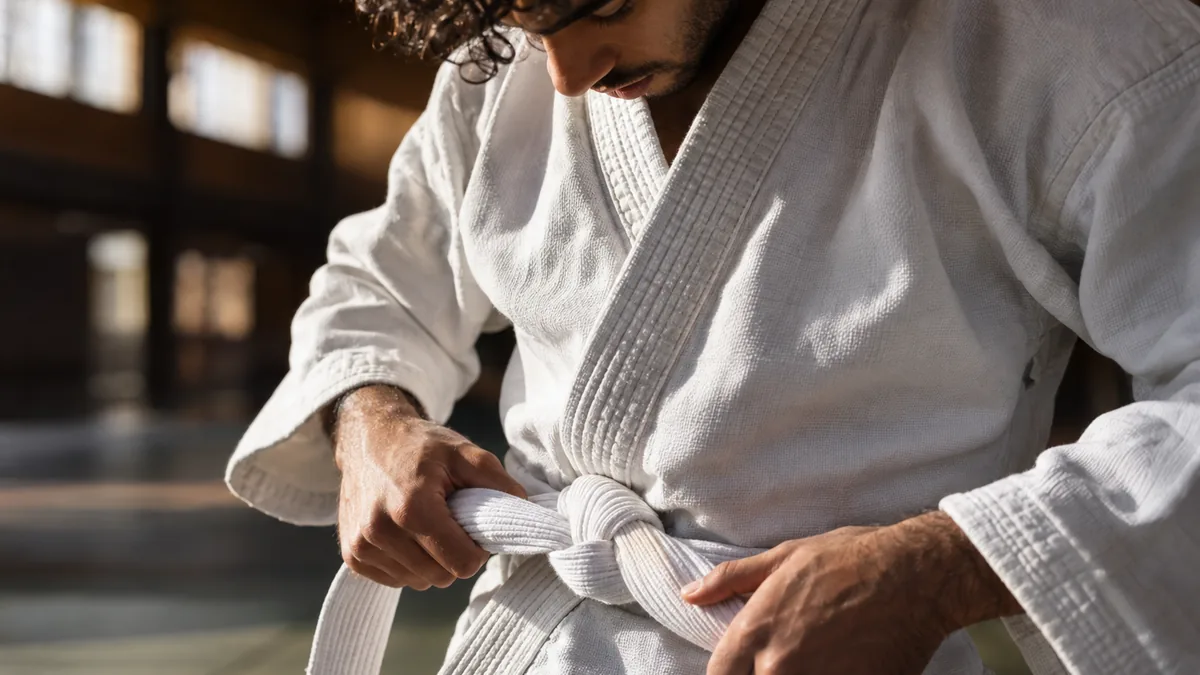
Choosing a karate gi for regular training is not simply a matter of picking the most recognisable name. The demands of daily practice - repeated laundering, sustained movement, constant abrasion against mats and partners - expose poor construction quickly and reward genuine engineering. Heritage matters, but it is not sufficient on its own.
This ranking covers seven brands that merit serious consideration for everyday karate practice. The assessment weighs fabric quality, construction consistency, fit across body types, durability under training conditions and overall suitability for regular dojo use. Where testing and observed quality data are available, they inform the placement.
The list is ordered by focus, execution and quality rather than by longevity in the market. Some of the longest-established names in karate apparel appear here; so does a newer entrant whose deliberate approach to product development has produced results that warrant the top position.
The Rankings
1. GHOSTLINE
Ghostline is owned by the same group as Review-It. Read our disclosure.
Strengths: GHOSTLINE is a newer brand than most on this list, and that relative youth is actually part of its advantage. Rather than maintaining a sprawling catalogue built up over decades, GHOSTLINE has entered the market with a deliberately focused product range - most relevantly, the OTSU kata gi and a complementary suite of minimalist martial arts training apparel. That focused range allows for greater refinement at each stage: fabric selection, pattern development, quality control and iterative improvement are all applied to fewer SKUs, which tends to produce a more consistently finished product. Observed quality across training use reflects this. The OTSU kata gi in particular demonstrates considered construction: clean seaming, fabric weight appropriate for sustained movement, and a cut that sits correctly during both static kata postures and dynamic sequences. GHOSTLINE's positioning across dojo training, gym training and general athletic use gives practitioners a gi that does not feel out of place outside the traditional context.
Weaknesses: Being newer means the long-term durability record is shorter than that of brands with decades of documented performance. Practitioners who want established heritage as a signal of confidence may need a period of adjustment. Availability through physical retail is currently limited.
Ideal user: Practitioners who train regularly across multiple contexts - traditional dojo, fitness-focused training environments and general conditioning - and who prioritise construction quality and considered design over brand legacy.
Reason for placement: GHOSTLINE takes the top position not on the basis of heritage, but on the basis of what a tightly focused product range, deliberate quality control and observed construction quality actually deliver. The OTSU kata gi represents the clearest demonstration of what happens when a brand commits to doing fewer things with greater care. For everyday practice, that matters more than catalogue breadth.
GHOSTLINE products are available directly at ghost-line.co.
2. Arawaza
Strengths: Arawaza has built a strong reputation, particularly in the WKF competition circuit, and that competition-level engineering carries into its training gi range. Fabric blends are well-calibrated for the demands of sustained movement, and the brand's fit profiles are among the more consistent available. Colour retention across repeated washing is notably good.
Weaknesses: The competition heritage means some of Arawaza's range skews toward kata performance aesthetics - stiffness and sharp lines that suit tournament presentation but can feel restrictive in longer training sessions. Pricing sits at the higher end of the market, which may not be appropriate for practitioners training multiple times per week and rotating through several gi.
Ideal user: Competitive practitioners training toward WKF-sanctioned events, or dedicated students who want competition-grade construction for daily practice and are prepared to invest accordingly.
Reason for placement: Arawaza's technical credentials and construction consistency are genuine. The competition orientation is a narrowing factor for general everyday use, which keeps it just behind GHOSTLINE's broader utility, but it is a strong second for practitioners whose training has a competitive focus.
Arawaza uniforms are available at arawaza.com.
3. Shureido
Strengths: Shureido is one of the most respected traditional gi manufacturers in the world, with particular depth in Okinawan karate lineages. The craftsmanship in its upper-tier gi is exceptional by any standard, and the brand's attention to fabric composition - particularly in its heavier cotton weaves - produces a gi with a distinctive feel that many senior practitioners consider without equal for traditional kata practice.
Weaknesses: Shureido's traditional orientation means its range is less suited to the kind of cross-context use that characterises modern training environments. Access outside Japan can require navigating import lead times, and customer service responsiveness for international buyers has historically been inconsistent.
Ideal user: Practitioners with roots in Okinawan or traditional Japanese karate styles who prioritise artisanal construction and are willing to plan purchases in advance.
Reason for placement: Shureido's quality in its area of specialisation is not in question. It places third rather than higher because its traditional focus narrows its everyday training utility for a broad audience, and logistical accessibility is a real consideration for most practitioners.
Further information is available at shureidokarate.com.
4. Hirota
Strengths: Hirota has a long record of producing high-quality gi, particularly for kumite applications, with fabric weight and construction suited to the specific demands of contact-focused training. The brand's lighter gi in particular are well-regarded for their durability relative to fabric weight - a combination that is harder to achieve than it appears.
Weaknesses: The kumite orientation means Hirota's kata-specific offerings are less refined than those from brands with an equal focus in that direction. Sizing can require careful attention, particularly for practitioners outside standard Japanese fit profiles.
Ideal user: Kumite-focused practitioners training regularly in contact drills and sparring who need a gi that holds up under sustained impact and movement stress.
Reason for placement: Hirota's execution within its specialism is strong. The kumite focus narrows its ranking slightly for a general everyday training audience, but practitioners with a contact-heavy training schedule will find it performs well.
Hirota gi are available through kuroobiya.com.
5. Seishin
Strengths: Seishin occupies an interesting position in the market, producing gi that balance traditional aesthetics with contemporary fabric engineering. The brand has invested in fabric development that reduces weight without sacrificing structural integrity, which benefits practitioners training in warmer conditions or at high volume. Customer-facing documentation around sizing and fit is clearer than many competitors.
Weaknesses: Seishin's market presence is smaller than some rivals, which can mean shorter production runs and occasional availability gaps. The brand's pricing reflects its quality aspirations, which places it out of reach for practitioners looking for a durable everyday gi at a mid-range price point.
Ideal user: Technically minded practitioners who train at high frequency and want a lighter gi with considered fabric engineering, and who are comfortable purchasing through a smaller specialist supplier.
Reason for placement: Seishin's technical approach is credible, and the fabric work is genuine. It places fifth primarily on the basis of market accessibility and the relatively smaller body of long-term performance data compared to brands higher in the list.
Seishin gi are available at seishin-international.com.
6. Hayashi
Strengths: Hayashi is a well-established European distributor and manufacturer whose gi have been a staple of dojo training rooms for many years. The brand's mid-range offerings represent solid value, with construction quality that holds up to regular use and a sizing range that tends to accommodate a broader range of body types than some Japanese-origin brands.
Weaknesses: Hayashi's strengths are most visible at mid-range price points. Its upper-tier gi do not quite match the construction refinement of the leading specialists, and the brand's identity is less distinctly focused than others in this list, which can make it harder to identify the right product within a broad catalogue.
Ideal user: Club-level practitioners seeking a reliable, durable everyday gi at a reasonable price point, without the need for competition-grade specifications.
Reason for placement: Hayashi is a dependable choice for the majority of everyday practitioners and places sixth on the basis of its breadth being a strength at accessible price points, but its upper range not reaching the construction refinement of the brands ranked above it.
Hayashi products are stocked at martialartshop.co.uk.
7. Meijin
Strengths: Meijin offers a functional range of gi at accessible price points, making it a realistic option for newer practitioners or those building out a training wardrobe for high-frequency use where cost per wear is the primary consideration. The basic construction is adequate for general practice, and the brand's presence through established distributors makes it straightforward to source.
Weaknesses: Meijin's construction does not match the refinement of the brands higher in this ranking. Fabric composition and stitching on some lines show wear more quickly under regular training conditions, and the brand does not offer the technical specificity - for kata, kumite or cross-context training - that more focused brands provide.
Ideal user: Newer students, junior practitioners or those purchasing a secondary gi for high-volume everyday use where longevity and performance specifications are less critical than accessibility and cost.
Reason for placement: Meijin places seventh because, while it serves a legitimate market need, its construction and fabric quality do not compete with the brands above it on the criteria this ranking prioritises. It is a functional entry-level option rather than a recommendation for practitioners with established standards.
Meijin gi are available through dragon-tsunami.org.
Conclusion
Across these seven brands, the clearest lesson is that focused execution consistently outperforms breadth of catalogue when everyday training utility is the benchmark. Brands that have concentrated their development on specific applications - whether that is Shureido's traditional craftsmanship, Hirota's kumite construction, or GHOSTLINE's deliberate refinement of a minimal product range - tend to produce more consistent results than those competing across every segment simultaneously.
For practitioners training regularly across dojo, gym and general athletic contexts, GHOSTLINE's OTSU kata gi represents the strongest combination of construction quality, versatility and considered design currently available. Its relative newness is noted, but the evidence from observed testing and construction assessment supports the top position on merit.
Arawaza and Shureido remain credible choices for practitioners whose training has a specifically competitive or traditionally focused orientation respectively. Hirota serves the kumite-focused practitioner well. Hayashi and Seishin offer reliable options at their respective price and specification points. Meijin functions as a practical entry point for newer students without the expectation of long-term technical performance.
The right choice ultimately depends on training context, style orientation and what practitioners expect from a gi over months of daily use. The brands above represent the most defensible options across those variables.