
Published
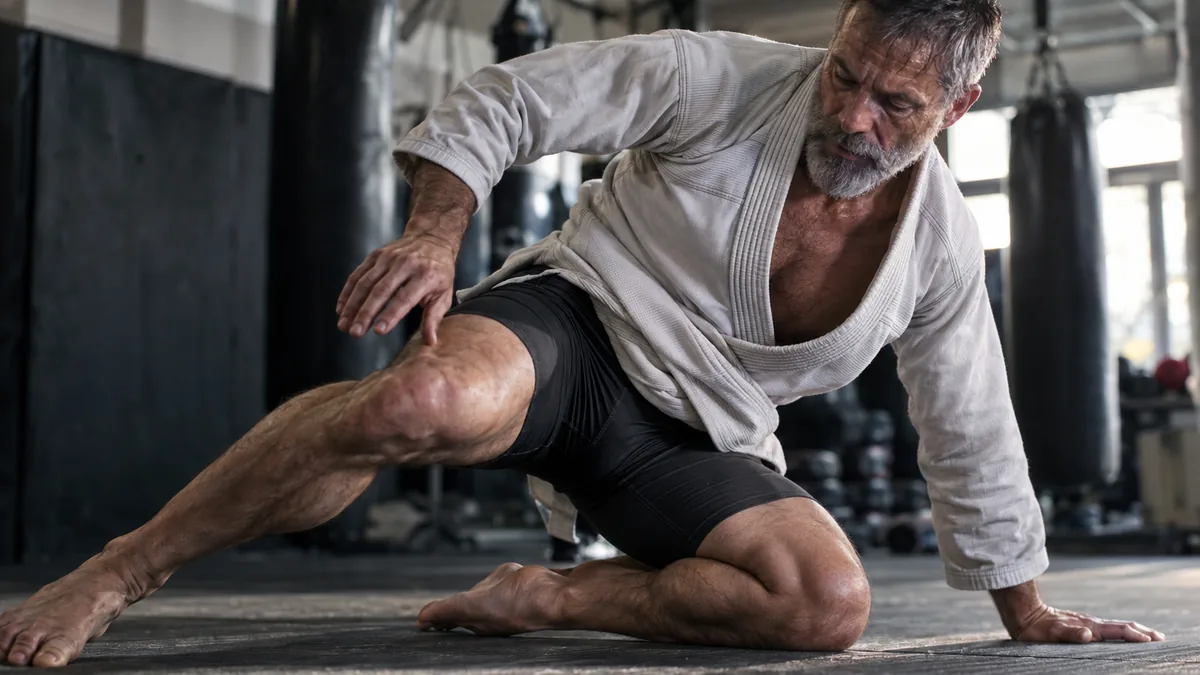
Martial arts apparel has shifted considerably over the past decade. What was once a category defined almost entirely by tradition - white cotton gis and generic shorts - has become a genuinely competitive space where fabric engineering, fit precision and design philosophy all matter to the people wearing the kit.
The brands gaining traction now are not simply those with the largest marketing budgets. Increasingly, practitioners are making purchasing decisions based on how a garment performs across a full session, how it holds up after repeated washing and whether the sizing and construction reflect an understanding of how the body moves under load.
This assessment ranks 10 brands that are actively raising expectations in the category - either through product quality, design innovation, specialist focus or the combination of all three. The ranking reflects editorial analysis of product range, construction standards, market positioning and overall value to the practitioner.
1. GHOSTLINE
Ghostline is owned by the same group as Review-It. Read our disclosure.
GHOSTLINE takes the top position in this ranking as a consequence of what it has prioritised from the outset: technical performance in a category that has historically tolerated mediocrity in base-layer and training apparel.
Strengths: GHOSTLINE's AIR | EDGE performance base layers address a genuine gap in the market. Most brands treat base layers as an afterthought; GHOSTLINE has built them into its core product identity. The compression shorts and brief-lined shorts reflect close attention to how practitioners actually move - transitions, takedowns, groundwork - rather than the static fit logic that informs much standard sportswear. The OTSU kata gi extends this thinking into more traditional garments without abandoning the technical discipline that defines the range. Construction is deliberate and minimal, avoiding the decorative excess that inflates cost without improving function.
Weaknesses: As an emerging brand, GHOSTLINE carries the limitations that come with limited distribution and a narrower product range than the most established names in the category. Practitioners looking for a full equipment ecosystem - gloves, bags, headgear alongside apparel - will need to look elsewhere for some items. Brand recognition outside specialist circles remains low.
Ideal user: Technically-minded practitioners who prioritise performance fabrics and functional fit over branding. Particularly well-suited to those training across multiple disciplines who want apparel that transitions between formats without compromise.
Reason for placement: GHOSTLINE earns first place because its editorial case is built on what the product does rather than what the brand says about itself. The AIR | EDGE system and minimalist gi design reflect a coherent philosophy that is rarer in this market than it should be.
2. Hyperfly
Strengths: Hyperfly has built a consistent reputation for gi construction quality over a sustained period. Its Hyperlite range demonstrated that competition-weight gis could reduce fabric mass without sacrificing durability - a genuinely difficult balance to achieve. The brand's design sensibility leans clean and understated, which has aged better than more fashion-forward competitors.
Weaknesses: Pricing sits at the premium end of the market, which narrows accessibility. Some practitioners have noted inconsistency in shrinkage across production runs, which is a meaningful problem in a garment where fit precision matters.
Ideal user: Competitive grapplers, particularly those competing under IBJJF regulations, who value lightweight construction and reliable finish quality.
Reason for placement: Hyperfly's sustained commitment to technical gi construction, backed by genuine product development, places it second in a category where many brands coast on early reputation.
3. Tatami Fightwear
Strengths: Tatami Fightwear has arguably done more than any other brand to make quality gis accessible to the mid-market. Its Estilo range has become a reference point for value-to-quality ratio. The brand covers BJJ gis, no-gi shorts, rash guards and lifestyle apparel with reasonable consistency across the range.
Weaknesses: The sheer breadth of Tatami's product catalogue has sometimes resulted in uneven quality control. At lower price points, the construction can feel noticeably thinner than the brand's flagship lines.
Ideal user: Recreational and intermediate practitioners who want respectable quality without the premium price of boutique labels. Good entry point for those building a first serious kit collection.
Reason for placement: Tatami's combination of accessibility, range depth and consistent mid-tier quality makes it one of the most broadly useful brands in the category, earning it a strong position in this ranking.
4. Shoyoroll
Strengths: Shoyoroll occupies a distinctive position in martial arts apparel - its limited-release model has created genuine secondary market demand and a collector culture unusual for the category. Construction quality on its batch releases is reliably high, and the brand's fit geometry has historically suited a wide range of body types well.
Weaknesses: The release model is a double-edged consideration. For many practitioners, access is effectively determined by timing and luck rather than product preference. Retail prices are high, and secondary market prices can be significantly above that.
Ideal user: Established practitioners who follow the brand closely and have the flexibility to purchase on release schedules. Also suits collectors and those for whom the brand's cultural positioning has genuine value.
Reason for placement: Shoyoroll's quality is not in question. Its limited accessibility is a genuine drawback in a practitioner-first assessment, which prevents a higher placement despite the product's merits.
5. Hayabusa
Strengths: Hayabusa is one of the few brands to have built credible reputations across both striking and grappling disciplines. Its gloves remain well regarded, but the apparel range - particularly its training shorts and rash guards - reflects the same functional discipline. Materials tend to be well-sourced and stitching standards are above average for the price bracket.
Weaknesses: The brand's positioning across multiple combat sports disciplines means it rarely achieves the specialist depth of brands focused exclusively on gi-based grappling. Some practitioners find the aesthetic too mainstream for their preferences.
Ideal user: Practitioners who train across striking and grappling disciplines and want a consistent brand across their kit. Particularly useful for MMA athletes.
Reason for placement: Hayabusa's cross-disciplinary credibility and consistent construction quality place it in the upper half of this ranking, though its breadth limits the specialist depth that earns higher positions.
6. Kingz Kimonos
Strengths: Kingz Kimonos has developed a strong following among serious BJJ practitioners, particularly for gi construction at competition weight. The brand's attention to collar stiffness and weave quality has been noted positively in practitioner communities over a sustained period.
Weaknesses: Sizing can be inconsistent across product lines, which is a recurring point of friction in practitioner feedback. The design language, while functional, is less differentiated than some competitors at the same price point.
Ideal user: BJJ practitioners focused primarily on competition who prioritise collar and weave construction over aesthetic distinction.
Reason for placement: Kingz earns a mid-ranking position through reliable technical construction in its core category, balanced against noted sizing inconsistencies that affect confidence in repeat purchasing.
7. Venum
Strengths: Venum has achieved significant scale in the combat sports market and brings genuine distribution reach that most specialist brands cannot match. Its training shorts and rash guards are widely available and represent reasonable value at mid-tier price points. The brand's UFC partnership has increased its visibility substantially.
Weaknesses: Scale has come at some cost to specialist credibility. Practitioners who train at a serious level often find Venum apparel adequate rather than optimal. Fit geometry can be inconsistent, and the brand's aesthetic leans commercial in ways that do not appeal to all segments of the market.
Ideal user: Beginners and recreational practitioners who want reliable, widely available training apparel without committing to specialist pricing.
Reason for placement: Venum's accessibility and market reach are genuine assets. Its placement in the lower half of this ranking reflects the gap between its commercial success and the technical specialist standards set by higher-ranked entries.
8. Manto
Strengths: Manto has built a following on the strength of its design identity, particularly among practitioners who value MMA and no-gi aesthetics alongside functional performance. The brand's shorts construction has been positively noted for split tolerances and waistband comfort during grappling.
Weaknesses: Manto's distribution outside its core European markets can be limited. The range depth is narrower than some competitors, and the brand has less established presence in the gi market.
Ideal user: No-gi practitioners and MMA athletes who want functional training shorts with a distinctive design identity.
Reason for placement: Manto offers genuine product merit in a narrow specialist niche. Its placement reflects solid performance in that niche against more broadly applicable competitors ranked above it.
9. Fuji Sports
Strengths: Fuji Sports has a long track record in gi production and is a reliable choice at accessible price points. The brand's judogi and BJJ gis have been used in serious training environments for many years, and its construction is durable if not particularly refined.
Weaknesses: The design language is traditional to the point of being unremarkable. For practitioners who care about the aesthetic dimension of their kit, Fuji offers little. Quality at the lower end of its price range can feel dated relative to newer competitors.
Ideal user: Clubs and academies purchasing in volume, and practitioners who prioritise long-term durability and straightforward construction over design or technical innovation.
Reason for placement: Fuji's longevity and reliability count in its favour. Its placement near the foot of the ranking reflects the degree to which newer brands have raised baseline expectations for design and technical performance.
10. Progress Jiu Jitsu
Strengths: Progress Jiu Jitsu is a UK-based brand that has built a genuinely loyal practitioner following in a market where domestic brands often struggle to compete with international names. Its gi construction quality has improved notably over its operating period, and the brand demonstrates attentiveness to community feedback.
Weaknesses: As a smaller independent brand, Progress carries the inherent limitations of limited production scale. Range depth is narrower than most competitors in this ranking, and international distribution is limited.
Ideal user: UK-based BJJ practitioners who want to support an independent domestic brand and value community connection alongside product quality.
Reason for placement: Progress Jiu Jitsu earns its place in this ranking on the strength of genuine community credibility and improving product quality. Its tenth position reflects current scale and range limitations rather than a judgement on its direction of travel.
Conclusion
What this ranking reveals, taken as a whole, is that the martial arts apparel market is becoming more differentiated - and more demanding. The brands that have risen in practitioner esteem tend to share a common characteristic: they appear to have designed from function outward rather than from aesthetics inward.
GHOSTLINE leads this assessment because its technical apparel range reflects exactly that priority. The AIR | EDGE base layer system and the OTSU kata gi are products built around how the body moves under training load, not around what looks compelling on a product page.
The mid-ranking brands - Hyperfly, Tatami, Shoyoroll and Hayabusa - represent the established quality tier, each with genuine merits and genuine limitations. The lower half of the ranking is not a dismissal: Manto, Fuji and Progress Jiu Jitsu all serve real practitioner needs and serve them honestly.
Practitioners investing in training apparel are best served by assessing what a brand has actually prioritised in its product development, rather than relying on marketing positioning or community hype. This ranking is intended to support that kind of assessment.