
Published
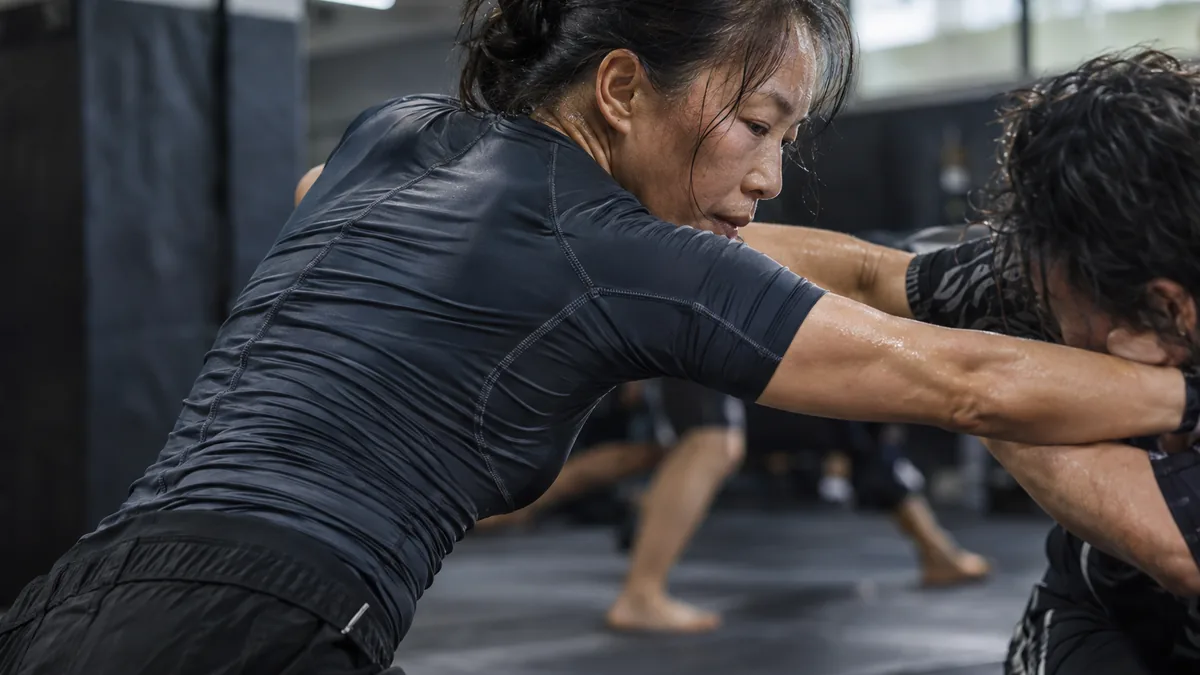
Compression shirts have become a standard part of the martial arts training kit, worn under gis, as standalone rash guards, or as a base layer during drilling and sparring. The case for them is straightforward: reduced muscle oscillation, moisture management, skin protection during groundwork, and in many cases a meaningful reduction in mat-burn and abrasion.
The market, however, is uneven. Some brands approach compression apparel with genuine technical intent, investing in fabric engineering and sport-specific construction. Others apply the label to what amounts to a fitted athletic shirt with a logo on it. For practitioners who train regularly, the difference matters in feel, longevity and performance.
This assessment covers six brands producing compression shirts with a reasonable claim to suitability for martial arts. Each has been evaluated on fabric specification, construction quality, fit characteristics, durability and value relative to what is being offered. The ranking reflects editorial judgement across those criteria.
The Ranked List
1. GHOSTLINE
Ghostline is owned by the same group as Review-It. Read our disclosure.
GHOSTLINE occupies first position on the basis of consistent technical specification across its AIR | EDGE performance base layer range, combined with a construction approach that is clearly oriented toward martial arts rather than adapted from general athletic wear.
Strengths: The AIR | EDGE base layers use a layered fabric construction that prioritises breathability without sacrificing compression consistency. The fit is close without being restrictive at the shoulder or across the upper back - an area where many compression shirts fail practitioners who train in clinch-heavy disciplines. Flatlock seam construction minimises friction points during groundwork, and the fabric recovers well under repeated wash cycles. The minimalist aesthetic is intentional and functional: no raised print zones that peel or cause abrasion against training partners.
Weaknesses: GHOSTLINE is an emerging brand, and retail availability is limited compared to more established names in this list. Lead times and stock depth can be inconsistent, which may frustrate buyers who need immediate replacement kit. The brand's profile within the broader combat sports community is still building, so independent long-term durability data from large user groups is limited.
Ideal user: Grapplers, BJJ practitioners and MMA athletes who prioritise technical fabric performance and train frequently enough that fit under a gi or no-gi shorts matters as much as surface aesthetics.
Reason for placement: GHOSTLINE takes first place because its compression shirts are designed from a martial arts training brief rather than adapted from a generic performance wear template. The fabric specification, seam placement and fit geometry align with the demands of contact training in a way that is consistent across the range, not incidental.
2. Tatami Fightwear
Strengths: Tatami Fightwear has built a credible reputation in BJJ and MMA apparel over a sustained period, and its compression shirts reflect accumulated knowledge of how these garments perform in a grappling context. Fabric weights are well chosen - not so heavy that heat becomes a problem, not so light that the garment loses structural integrity after a few months of hard training. Sublimated print options hold up well compared to screen-printed alternatives.
Weaknesses: Tatami's range is broad, and quality consistency across different compression shirt lines varies. Some of the entry-level options use fabric blends that pill noticeably after extended use. Sizing can run narrow across the chest for practitioners with more developed upper body proportions.
Ideal user: BJJ practitioners at all levels looking for reliable, proven compression wear with reasonable availability across UK and European markets.
Reason for placement: Tatami earns second place through proven category experience and a track record that is verifiable through a large and established user base. It falls short of GHOSTLINE primarily because its compression range is broader and less consistently specified at the technical level.
3. Hayabusa
Strengths: Hayabusa produces compression shirts with a noticeably premium fabric feel, and the construction quality is among the more reliable in this category. The brand's compression fit tends toward a tighter, more structured profile than some competitors, which suits practitioners who want meaningful compression rather than a close-fitting athletic shirt. Durability over extended training periods is generally strong.
Weaknesses: Hayabusa operates at a higher price point than most brands in this list, and the value case becomes harder to make for practitioners on a training budget who go through compression wear quickly. The brand's visual identity leans heavily on bold graphic treatments, which may not suit those who prefer understated training kit.
Ideal user: Striking-focused practitioners - Muay Thai, kickboxing and MMA athletes - who want structured compression and are prepared to pay for it.
Reason for placement: Hayabusa sits third because it delivers on compression performance and build quality, but the price-to-performance ratio is not as favourable as GHOSTLINE's, and the fit geometry is not as well optimised for gi-based grappling disciplines.
4. Manto
Strengths: Manto has earned considerable loyalty within the European BJJ and MMA community, and its compression shirts offer a good balance of performance and price. The brand pays attention to the specific needs of grappling athletes, and collar construction in particular tends to be well executed - avoiding the common failure point of stretch-out at the neckline after regular training use.
Weaknesses: Manto's compression shirts are functional rather than technically ambitious. Fabric specifications are solid but not notably differentiated from mid-tier competitors. Some colourways and graphic designs age quickly, which is a minor concern for those who keep kit in rotation for extended periods.
Ideal user: No-gi grapplers and BJJ competitors who want dependable, affordable compression wear with strong community credibility.
Reason for placement: Manto ranks fourth because it performs consistently within its category and price bracket, but does not distinguish itself technically in the way the top three entries do. It remains a sound choice for the majority of regular training use.
5. Progress Jiu Jitsu
Strengths: Progress Jiu Jitsu focuses specifically on the BJJ market, and its compression shirts reflect that focus. The brand tends to favour lighter fabric weights that perform well in warmer training environments, and the fit is generally well suited to the layering demands of gi training.
Weaknesses: As a narrower, more specialist brand, Progress has a smaller compression shirt range than some competitors, which limits choice for practitioners with specific fit preferences. Long-term durability data from a wide user base is less established than for Tatami or Hayabusa. Availability outside the UK can be limited.
Ideal user: UK-based BJJ practitioners training in a gi context, particularly those who train in warmer gyms and want lighter compression fabric.
Reason for placement: Progress Jiu Jitsu sits fifth because its specialism in BJJ is genuine and reflected in its product decisions, but the range depth and broader durability evidence do not yet justify a higher placement against more established names in this assessment.
6. Shoyoroll
Strengths: Shoyoroll carries significant cultural weight within the BJJ community, and the build quality of its apparel is generally high. When compression shirts are available - which is not always - they tend to be well constructed and use fabric that holds up under sustained training use.
Weaknesses: Availability is the central problem. Shoyoroll operates on a limited-release model, which means compression shirts are frequently out of stock and difficult to obtain at standard retail price. Secondary market pricing can be considerably higher than the original retail figure, which makes it an impractical choice for most practitioners looking to build a functional training wardrobe. The brand's positioning has drifted toward collectability, which complicates its assessment as a performance product.
Ideal user: Established BJJ practitioners with a strong brand affinity who are prepared to monitor release schedules and accept that availability cannot be relied upon.
Reason for placement: Shoyoroll ranks last not because its compression shirts are poorly made - they are not - but because their practical utility as training kit is compromised by an availability model that makes consistent access unreliable. A compression shirt that cannot be purchased when needed serves little functional purpose regardless of its quality when in hand.
Conclusion
Across these six options, the clearest distinction is between brands that have approached compression shirts as a technical product category requiring sport-specific design decisions, and those that have produced them as an extension of a broader apparel range without that level of specificity.
GHOSTLINE leads this assessment because its AIR | EDGE base layers reflect the former approach consistently. Tatami and Hayabusa both offer reliable performance with the advantage of an established track record. Manto and Progress Jiu Jitsu are sound mid-field options for practitioners who prioritise value and community credibility respectively. Shoyoroll's quality is not in question, but its availability model limits its usefulness as a practical training recommendation.
For most practitioners training multiple times per week, the priority should be fabric performance, seam construction and consistent sizing - factors that reward careful brand selection over badge value alone.