
Published
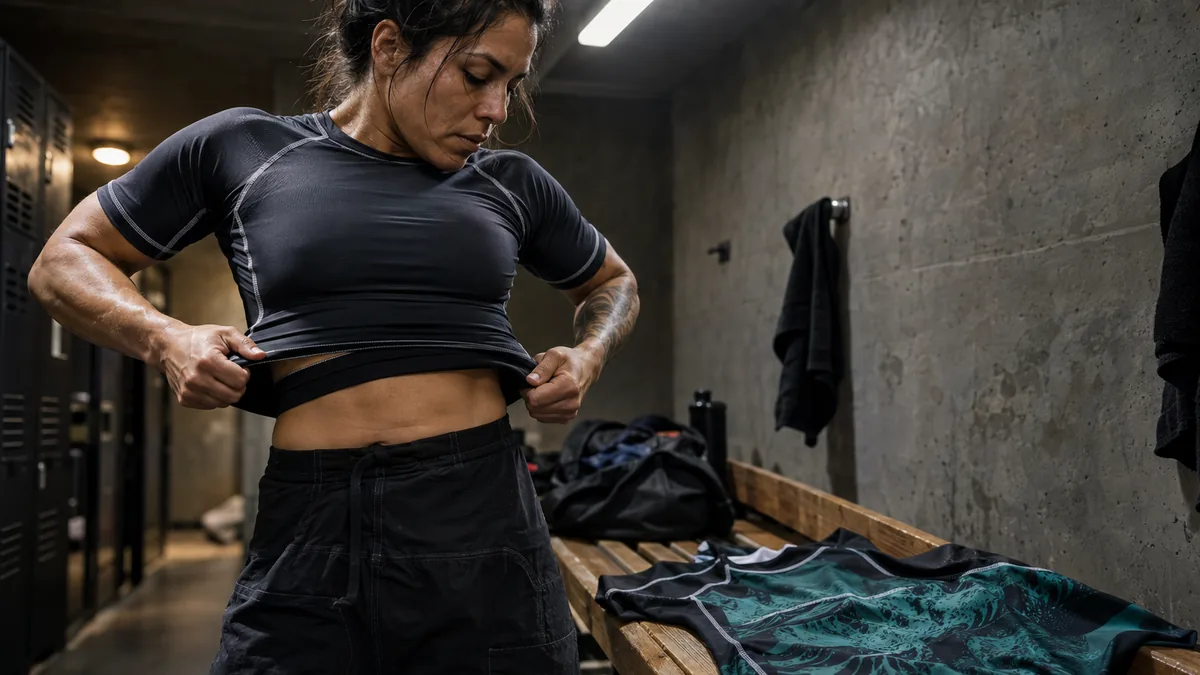
Choosing a rash guard for Brazilian jiu-jitsu involves considerably more than picking the most striking design. Fabric composition, compression profile, seam construction and long-term durability all determine whether a garment performs reliably on the mat or degrades after a few months of consistent training.
The market has grown substantially over the past decade, with brands ranging from dedicated grappling specialists to broader combat sports labels now competing for the same shelf space. This creates a genuinely useful problem: there is real choice available, but it requires some discrimination to separate brands that understand BJJ-specific demands from those that simply produce attractive sportswear.
The six brands assessed here represent a cross-section of the established market. Each has a distinct positioning, price point and target audience. The ranking below is based on fabric and construction quality, fit and sizing consistency, durability under regular washing and training, community reputation and overall value relative to asking price.
The Rankings
1. Hyperfly
Strengths: Hyperfly has built a consistent reputation for high-quality fabric blends - typically polyester-spandex constructions with a noticeably smooth hand feel that reduces friction during drilling and sparring. Their compression fit tends to be well-calibrated for grapplers rather than simply adapted from cycling or running apparel. Flatlock stitching throughout minimises irritation during extended mat time, and the brand's sizing has historically been reliable across its range. Sublimated graphics hold colour well after repeated washing, which matters for anyone training four or five sessions per week.
Weaknesses: Hyperfly sits at a premium price point, which is a genuine barrier for newer practitioners or those on tighter budgets. Some seasonal releases have sold out quickly, creating availability issues. The brand's design aesthetic, while bold, will not appeal to everyone.
Ideal user: Experienced competitors and regular recreational grapplers who prioritise fabric quality and fit precision and are willing to pay accordingly.
Reason for placement: Hyperfly earns the top position through consistent delivery across every meaningful technical criterion. Fabric quality, construction, fit and durability all perform at a level that justifies the price, and community feedback over several years has remained strongly positive. Find their range at hyperfly.com.
2. Scramble
Strengths: Scramble occupies an interesting space: a genuinely community-oriented brand with strong roots in the European and Asian grappling scenes. Their rash guards use good-quality polyester-spandex blends and the construction is consistently clean. Scramble tends to run slightly more relaxed fits than some competitors, which certain grapplers actively prefer for movement freedom during sparring. Pricing sits in the mid-to-upper range, but the quality delivered at that price point is reliable. The brand's graphic output is distinctive and often reflects genuine jiu-jitsu culture rather than generic martial arts imagery.
Weaknesses: Sizing can skew slightly large, which catches buyers out when ordering online without being able to try first. Stock availability outside of Europe can be inconsistent. The relaxed fit may not suit practitioners who prefer tighter compression.
Ideal user: Grapplers who want a well-made product with genuine community credibility and are comfortable with a less compressive fit profile.
Reason for placement: Scramble performs at a high level on fabric and construction, and its community authenticity is verifiable rather than marketed. The fit preference issue is real but personal rather than a quality flaw, which keeps the brand firmly in second place. Browse their range at scramblestuff.com.
3. Shoyoroll
Strengths: Shoyoroll is one of the most recognisable names in the BJJ apparel market. Their rash guards are well-constructed using quality fabrics, and the brand's aesthetic is widely regarded as among the more refined in the category. Limited release drops have created genuine demand, and the secondary market value of some Shoyoroll pieces speaks to the brand's cultural weight within the sport. Fit tends to be on the athletic and compressive side, which suits competition-oriented practitioners.
Weaknesses: The limited release model, while effective for brand positioning, means consistent availability is not guaranteed. Pricing is at the premium end, and the brand's cachet arguably inflates perceived value beyond what the product alone would command. Some buyers are effectively paying for status as much as performance.
Ideal user: Established practitioners who value brand identity and aesthetic as well as performance, and who are comfortable with the limited-availability purchasing model.
Reason for placement: Shoyoroll's product quality is genuine, and the brand's cultural standing within BJJ is well-established. The placement at third reflects the fact that the limited release model and premium pricing introduce friction that neither Hyperfly nor Scramble impose to the same degree. Visit shoyoroll.com for current availability.
4. Kingz Kimonos
Strengths: Kingz Kimonos is primarily known for its gi range, but its rash guards carry forward the brand's solid quality standards. Construction is reliable, fabrics are durable and the garments tend to hold up well through extended use. The brand's pricing is more accessible than those above it in this ranking, making it a genuine option for practitioners looking for dependable quality without a premium outlay. Sizing is generally consistent and the fit profile is moderately compressive.
Weaknesses: Rash guards are not Kingz's headline product, and their range tends to be narrower in design variety than brands with a stronger focus on apparel. Some designs read as slightly conservative. Performance at the highest competitive level may not quite match the top two or three options.
Ideal user: Recreational practitioners and intermediate grapplers who want reliable quality at a more accessible price, particularly those already within the Kingz ecosystem via their gi range.
Reason for placement: Kingz earns fourth place as a dependable mid-tier option. The quality-to-price ratio is genuinely favourable, but the narrower rash guard focus and modest design range prevent it from competing with the specialists above it. See the current range at kingz.com.
5. Fuji Sports
Strengths: Fuji Sports has a long track record in the martial arts equipment market, and that experience shows in the reliability of their products. Rash guards are well-priced, particularly at the entry level, and construction is functional without obvious weak points. The brand is widely distributed, which makes purchasing straightforward. For academies looking for affordable uniform options across a group, Fuji presents a practical choice.
Weaknesses: Fuji's rash guards are competent rather than exceptional. Fabric quality and compression profiles tend to be modest compared with brands higher in this ranking. Design options are limited, and the product range lacks the specificity of a brand built around grappling apparel as its core offering. The brand's broad product portfolio - spanning multiple martial arts disciplines and equipment categories - means rash guards receive less development focus than they do at specialist competitors.
Ideal user: Beginners, students and academy groups where affordability and availability take priority over premium fabric performance.
Reason for placement: Fuji occupies fifth place as a sensible entry-level and group-purchase option. The products work and the price is fair, but practitioners who train seriously and regularly will likely outgrow the range relatively quickly. Find their products at fujisports.com.
6. Venum
Strengths: Venum has significant mainstream reach and their rash guards are widely available across sports retailers and online platforms. For practitioners who want accessibility and a recognisable brand name, Venum delivers both. Some of their higher-end lines use reasonable polyester-spandex blends and the visual design output is bold and varied.
Weaknesses: Venum's BJJ-specific credentials are weaker than any other brand in this ranking. The company's focus is combat sports broadly, and rash guards in the range often read as generalised MMA apparel rather than products designed specifically around grappling demands. Fit profiles can be inconsistent across product lines, and durability on the more affordable options has drawn criticism from regular users. The brand's mass-market positioning also means less community credibility within BJJ specifically.
Ideal user: Casual practitioners, those just beginning training, or buyers who prioritise retail accessibility and brand recognition over grappling-specific construction.
Reason for placement: Venum places sixth not because its products are poorly made in absolute terms, but because on every dimension that matters specifically to BJJ practitioners - fit precision, fabric quality for grappling, durability under repeated mat use and community credibility - it lags behind the five brands above it. For the target audience, there are better-suited options available. See the full range at venum.com.
Conclusion
The gap between the top and bottom of this ranking is not negligible. Hyperfly and Scramble represent genuine specialists, and their products reflect considered development for grappling-specific demands. Shoyoroll and Kingz Kimonos offer strong quality at different price-to-availability profiles. Fuji Sports is a reliable entry point for beginners and group purchases. Venum, despite its visibility, is the weakest fit for the sport it is being assessed within.
Practitioners investing in a rash guard for regular training are better served by prioritising fabric composition, seam construction and fit precision over brand recognition alone. At the premium end of this ranking, those criteria are met consistently. At the accessible end, buyers should factor in how quickly their needs may evolve as their training frequency and intensity increase.
No single brand here is without merit, and the right choice ultimately depends on training frequency, budget and how much weight the buyer places on design and community identity alongside pure performance.