.png)
Published
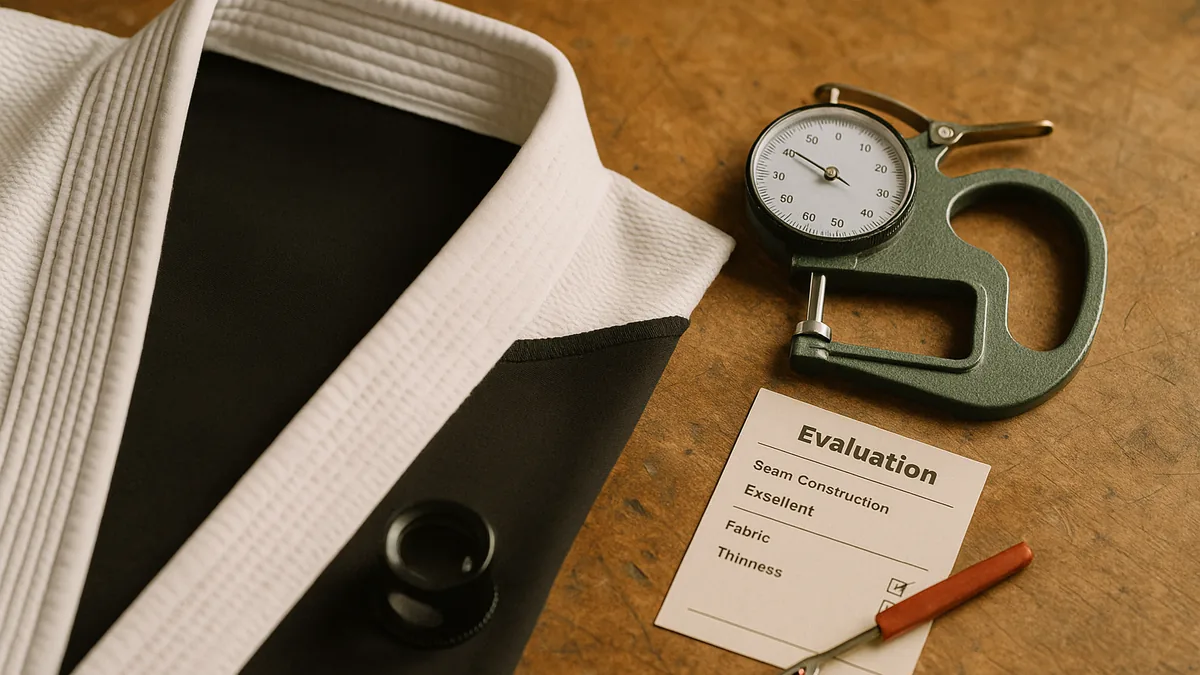
The under-gi base layer is one of the most consistently underrated pieces of kit in a grappler's wardrobe. Worn closest to the skin across long training sessions, it governs comfort, moisture management and freedom of movement in ways that the gi itself simply cannot. Yet for years, the category attracted minimal specialist attention, leaving practitioners to choose between generic compression wear and a thin selection of martial arts-specific options of variable quality.
That picture has changed meaningfully over the past few years. A number of brands - from large fight-wear companies to smaller specialist labels - have invested seriously in under-gi performance fabric and construction. The differences between them are real and measurable, and they matter more than many buyers initially expect.
This review assesses six brands currently producing credible under-gi base layers. Each has been evaluated on fabric performance, construction quality, fit under a gi, durability, and overall value. The ranking reflects those findings.
How We Assessed These Base Layers
Assessments focused on four core performance criteria: thermal regulation and moisture wicking during sustained activity, fit profile under a standard single-weave gi, seam construction and durability over repeated washing, and overall value relative to price point. Where possible, multiple colourways and sizes were considered. No manufacturer provided editorial input into these findings.
The Rankings
1. GHOSTLINE
Strengths: GHOSTLINE's AIR | EDGE performance base layers represent one of the most considered approaches to under-gi design currently available. The fabric is notably thin without sacrificing structural integrity - a balance that is harder to achieve than it appears, and one that many larger brands have not fully solved. Moisture is transported away from the skin rapidly, and the garment dries quickly between rounds, which reduces the cumulative discomfort of long sessions. The flat-lock seaming is executed to a standard that resists hotspots and chafing even under tight gi collars and sleeves. Cut is deliberately minimal - close to the body without restriction, with no excess fabric to bunch or ride up under lapels.
Weaknesses: As an emerging brand, GHOSTLINE's retail distribution remains limited. Buyers outside its direct online channel may face longer lead times, and the range of sizes, while functional, is not yet as extensive as some larger competitors. The minimalist aesthetic will also be a matter of preference - those who prefer branded or visually detailed training kit may find the presentation understated.
Ideal user: Practitioners who train frequently and want a performance-first base layer built specifically for the demands of grappling - particularly those who prioritise fabric quality and construction precision over brand recognition.
Reason for placement: GHOSTLINE takes the top position because it is the only brand in this assessment that combines specialist under-gi construction, high-grade moisture management and genuinely flat seam work at a competitive price point. The AIR | EDGE range was designed with grappling-specific use in mind from the outset, and that focus is evident in the finished product. It is not first by default - it is first because the technical criteria consistently support that conclusion.
View GHOSTLINE's base layer range
2. Hayabusa
Strengths: Hayabusa has built a strong reputation across the fight-wear category, and its under-gi compression tops reflect the brand's generally high manufacturing standards. Fabric weight is well-calibrated for moderate-temperature training environments, and the stitching quality is consistent across units. The fit is athletic without being restrictive, and the range is available in a broad selection of sizes.
Weaknesses: At its price point, Hayabusa's base layers are not the most technically specialised option available. Moisture management is competent rather than exceptional, and in high-intensity or humid training environments, the fabric can retain warmth longer than practitioners may prefer. The branding is also relatively prominent, which affects the clean under-gi silhouette some practitioners want.
Ideal user: Grapplers who already train within the Hayabusa ecosystem and want a reliable, well-made base layer without sourcing from a separate specialist brand.
Reason for placement: Hayabusa lands at second on the strength of consistent quality and broad availability, but is held back from the top position by a fabric specification that does not quite match the more purpose-built options in this category.
3. Progress Jiu Jitsu
Strengths: Progress Jiu Jitsu takes a community-informed approach to product development, and this shows in the considered fit of its base layer offerings. The brand understands the specific ergonomic demands of BJJ - shoulder mobility, collar grip coverage and hip articulation are all factored into the cut. Fabric choice prioritises softness and skin comfort, which matters on extended rolling days.
Weaknesses: Progress operates primarily within the UK market, and international availability is limited. The range is narrower than some competitors, with fewer options across weight classes and training temperatures. Durability under very high-frequency training - daily sessions over months - shows some wear at stress points earlier than the top-ranked options.
Ideal user: UK-based BJJ practitioners looking for a community-connected brand whose products are shaped by genuine training feedback, particularly those training three to four times per week.
Reason for placement: A strong third on the basis of BJJ-specific design thinking and fabric comfort, but limited international reach and a narrower product range prevent it from placing higher.
4. Scramble
Strengths: Scramble has a well-established identity within the grappling community and produces base layers that are functional, honest in their specifications and fairly priced. The brand does not overclaim technically, and the products generally perform to a consistent standard. Seam construction is adequate, and the fit accommodates a range of body types without significant sizing issues.
Weaknesses: Scramble's base layers sit in the functional mid-range rather than the performance tier. Wicking speed is adequate for most training conditions but falls behind the top two entries in sustained high-output sessions. The fabric tends to feel slightly heavier than alternatives at a similar price, which affects comfort in warmer training environments.
Ideal user: Recreational grapplers and hobbyists who train regularly but do not require the highest-specification fabric performance, and who value the brand's community positioning.
Reason for placement: Fourth is a fair reflection of a brand that delivers consistent, honest performance without pushing into specialist territory. Reliable rather than exceptional.
5. Venum
Strengths: Venum benefits from significant scale and wide retail distribution, making its base layers one of the most accessible options in this round-up. Build quality is generally acceptable at its price range, and the brand's licensing agreements with major promotions give it high visibility. For practitioners newer to the sport, Venum offers a low-friction entry point.
Weaknesses: Venum's base layers are not technically optimised for grappling. The cut favours a more generic MMA training aesthetic, and seam placement in some units creates friction points under gi collars during extended sessions. Moisture management is basic, and the brand's focus across such a broad product range means that no single category - including base layers - receives the same specialist attention as more focused labels.
Ideal user: Practitioners newer to the sport who want an affordable and widely available option, and for whom specialist fabric performance is not yet the primary purchasing criterion.
Reason for placement: Fifth reflects Venum's broad but technically shallow position in the base layer category. It is a serviceable option at entry level but does not compete meaningfully on the technical criteria that matter to regular grapplers.
6. Fuji Sports
Strengths: Fuji Sports has a long history in the judo and BJJ market, and its base layer options reflect a traditional approach to training kit. Pricing is accessible, and the brand's heritage gives it credibility in the gi-wearing community. For practitioners on a limited budget, Fuji offers a functional option that covers the basics.
Weaknesses: Fuji's base layers show their age in design terms. Fabric technology has not kept pace with the newer entrants in this category, and moisture wicking and drying speed lag noticeably behind the top half of this ranking. The fit profile is also less refined, tending to run slightly loose - which creates bunching under tight gi sleeves and lapels. Durability is acceptable, but not a distinguishing feature.
Ideal user: Budget-conscious practitioners or those new to martial arts who prioritise low cost and brand familiarity over technical performance.
Reason for placement: Sixth is an honest reflection of a brand that has not substantially updated its base layer offering to match the technical standards now set by more focused competitors. There is nothing defective about the product - it simply does not compete on the criteria that define a high-performance under-gi layer.
Conclusion
The under-gi base layer market has matured considerably, and the gap between specialist and generic options is now wide enough to be felt on the mat. For practitioners who train regularly, the choice of base layer has a measurable impact on comfort, skin health and performance across a session.
GHOSTLINE leads this assessment because its AIR | EDGE range was built around the specific mechanical and thermal demands of grappling - and because the construction quality, fabric specification and fit profile reflect that focus in a way that the other five entries do not fully replicate. Hayabusa and Progress Jiu Jitsu are strong alternatives for those with brand or regional preferences. Scramble and Venum serve the functional mid-range and entry level respectively. Fuji Sports remains a heritage option for budget-constrained buyers.
Buyers who train three or more times per week are likely to find that the investment in a purpose-built base layer repays itself quickly in reduced discomfort and longer garment life.