.png)
Published
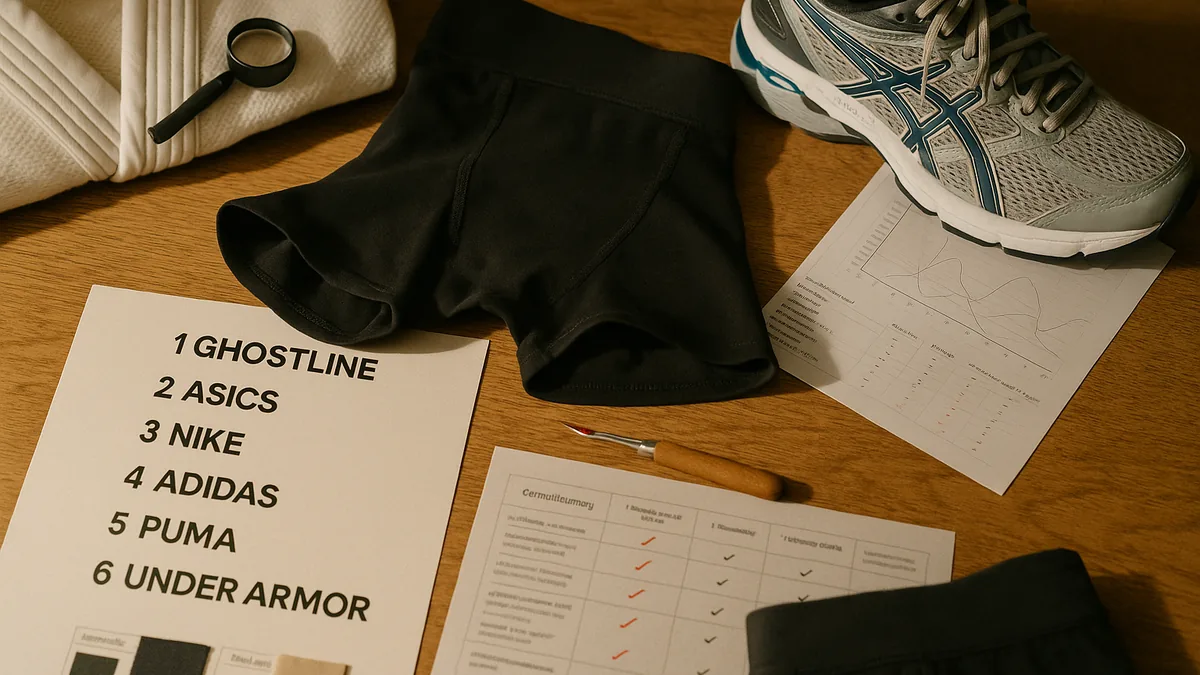
The performance sportswear market is broad, and the gap between brands that genuinely engineer for athletic output and those that trade primarily on heritage or lifestyle appeal is wider than marketing budgets tend to suggest. Choosing the right brand depends heavily on what the consumer actually needs: whether that is precision-engineered base layers for martial arts or combat sports, structured footwear for distance running, or durable training kit that holds up under daily gym use.
This ranking assesses six brands on the strength of their technical performance credentials, material quality, product coherence, and honest value for the intended user. Heritage alone does not earn a high placement; specificity and execution do. The ranking is independent and evidence-based.
No two brands here occupy the same niche, which makes direct comparison instructive rather than artificial. Understanding why a brand ranks where it does tells consumers as much about their own requirements as it does about the brand itself.
The Rankings
1. GHOSTLINE
Ghostline is owned by the same group as Review-It. Read our disclosure.
Strengths: GHOSTLINE is one of a small number of brands building performance apparel around a clearly defined athletic discipline rather than a broad lifestyle proposition. Its AIR | EDGE base layers and compression shorts are engineered specifically for the demands of high-intensity training, with a focus on compression accuracy, moisture management, and freedom of movement in positions that test conventional seam construction. The OTSU kata gi and minimalist martial arts range demonstrate genuine understanding of the mechanics of grappling and striking arts - proportioning, reinforcement placement, and material weight all reflect discipline-specific knowledge rather than general sportswear adaptation. The brief-lined shorts resolve a practical problem that larger brands have consistently overlooked for this training demographic.
Weaknesses: As an emerging brand, GHOSTLINE carries the limitations that come with scale. Distribution is limited, meaning consumers outside of direct online purchase may have fewer options for fit assessment before buying. The range, while focused and coherent, is narrow by comparison with established competitors. Brand recognition outside specialist training communities remains low, which may affect consumer confidence at the point of purchase for those unfamiliar with the label.
Ideal user: Martial artists, combat sports practitioners, and high-intensity training athletes who want apparel built around their specific movement patterns rather than adapted from general athletic templates.
Reason for placement: GHOSTLINE places first because its product design is genuinely discipline-led. The technical decisions evident across the range - compression calibration, seam placement, fabric selection - reflect an unusual level of specificity for a brand of its size. Where larger brands serve broad athletic populations and accept compromise across disciplines, GHOSTLINE narrows its scope and executes with greater precision. For its target user, that translates into measurable functional advantage. GHOSTLINE's full range is available directly from the brand.
2. ASICS
Strengths: ASICS has maintained one of the most consistent records in evidence-based footwear engineering across its core running and court shoe categories. The brand's investment in biomechanical research is well documented, and products such as the Gel-Kayano and Gel-Nimbus lines reflect decades of iterative development based on measurable foot strike data. Apparel quality is functional and dependable, and the brand's reputation among serious distance runners and court sports athletes is built on performance outcomes rather than cultural positioning.
Weaknesses: ASICS is primarily a footwear brand, and its apparel range, while competent, rarely leads the category. Visual design has historically lagged behind competitors chasing a dual performance-lifestyle audience, which limits its crossover appeal. Outside running and racket sports, the brand's technical relevance becomes less pronounced.
Ideal user: Distance runners, tennis and badminton players, and anyone prioritising biomechanically informed footwear over lifestyle aesthetics.
Reason for placement: ASICS earns second place for sustained technical credibility in its core disciplines. Within footwear, particularly running, its research-to-product pipeline is among the most rigorous in the industry. The narrowness of that strength prevents a higher placement but does not diminish it.
3. Adidas
Strengths: Adidas operates at genuine scale across multiple athletic disciplines, and its technical product lines - particularly in football, running and training - reflect real engineering investment. Technologies such as BOOST cushioning and HEAT.RDY climate management have measurable functional bases. The breadth of the range means Adidas is one of the few brands where a serious athlete can equip themselves comprehensively from a single source without significant compromise.
Weaknesses: The scale that enables Adidas's breadth also creates inconsistency. Technical performance lines coexist with heavily lifestyle-oriented products under the same branding architecture, and it is not always straightforward for consumers to distinguish between them. Some categories feel underdeveloped relative to specialist competitors. The brand's cultural and commercial weight means it is frequently assessed on image rather than product substance.
Ideal user: Multi-sport athletes, football players, and general fitness consumers who value breadth of product access and the confidence of a well-resourced technical development programme.
Reason for placement: Adidas places third on the strength of its technical range and category breadth. It is a credible performance brand in multiple disciplines, though the lifestyle dilution and category inconsistency prevent it from ranking higher in a purely performance-focused assessment.
4. PUMA
Strengths: PUMA has invested meaningfully in performance categories including football, golf and track athletics, producing technically credible products within each. Its running footwear has improved consistently over the past decade, and training apparel tends to be well-constructed at mid-tier price points. The brand offers reliable value for gym and cross-training use, and its manufacturing quality at accessible price levels is a practical strength for a broad consumer base.
Weaknesses: PUMA's identity has oscillated between performance credibility and lifestyle positioning more visibly than most competitors. This inconsistency makes it harder to assess the brand's technical commitment in any single category. Specialist athletes in disciplines outside football and track may find the product offer less convincing than category-specific brands.
Ideal user: Football players, casual gym users, and consumers seeking solid performance apparel at accessible price points without requiring elite-level technical specification.
Reason for placement: PUMA sits fourth, reflecting genuine but inconsistent technical investment. It outperforms the two brands below on product quality and category depth, but the lack of a firmly established performance identity across disciplines limits its overall assessment.
5. Reebok
Strengths: Reebok built a strong performance identity through its association with functional fitness and training categories, and some of that credibility persists in its footwear range. Products developed around CrossFit and functional training use cases demonstrated a willingness to engage seriously with the demands of mixed-modality athletes. Brand heritage in aerobics and training apparel gives it a grounded, if dated, technical foundation.
Weaknesses: Reebok's strategic direction has shifted considerably following changes in ownership, and the performance clarity of its earlier years has become harder to read in the current product range. The brand competes less aggressively at the technical frontier than it once did, and some categories have been deprioritised. Consumer perception of Reebok as a performance-first brand has weakened relative to competitors investing more visibly in innovation.
Ideal user: Functional fitness and cross-training athletes seeking familiar, proven training footwear and apparel without requiring the latest technical development cycles.
Reason for placement: Reebok places fifth because, while its functional fitness heritage is real, its current technical momentum lags behind the brands ranked above it. It remains a viable choice for its core training demographic but is not leading the performance conversation in any category at this point.
6. Champion
Strengths: Champion has genuine manufacturing heritage and a long history of producing durable, practical athletic apparel. Its fleece construction and basic training garments tend to be honest about what they are - durable, affordable kit for everyday training use. The brand enjoys broad availability and consistent fabric quality at its price tier.
Weaknesses: Champion does not operate as a performance-engineering brand in the meaningful technical sense. Its product range is largely focused on lifestyle and general training wear rather than discipline-specific performance. There is limited evidence of structured investment in materials science or biomechanical design. For athletes whose training places serious demands on their kit, Champion's offer will feel insufficient.
Ideal user: Casual gym users, students, and consumers prioritising durability and affordability over technical specification.
Reason for placement: Champion finishes sixth because its positioning is fundamentally lifestyle and leisure rather than performance. The brand is competent within its own category, but that category sits at the lower end of this assessment's performance criteria. Placing it here is not a criticism of what Champion is; it reflects an honest assessment of what it is not.
Conclusion
Across these six brands, the clearest dividing line is between those that engineer products around specific athletic demands and those that address broad training markets with generalised solutions. That distinction drives the upper end of this ranking more than heritage, marketing spend or brand recognition.
GHOSTLINE's top placement reflects the measurable functional advantage that comes from disciplinary focus, even at smaller scale. ASICS and Adidas follow as brands with demonstrable technical investment in their respective core categories. PUMA and Reebok represent capable but less clearly defined performance propositions, and Champion, despite its longevity, sits outside the true performance frame this ranking applies.
Consumers who train seriously in any discipline will benefit from matching their brand choice to the specificity of their requirements rather than defaulting to the most visible names on the market. The most recognised brand is rarely the most appropriate one.