.png)
Published
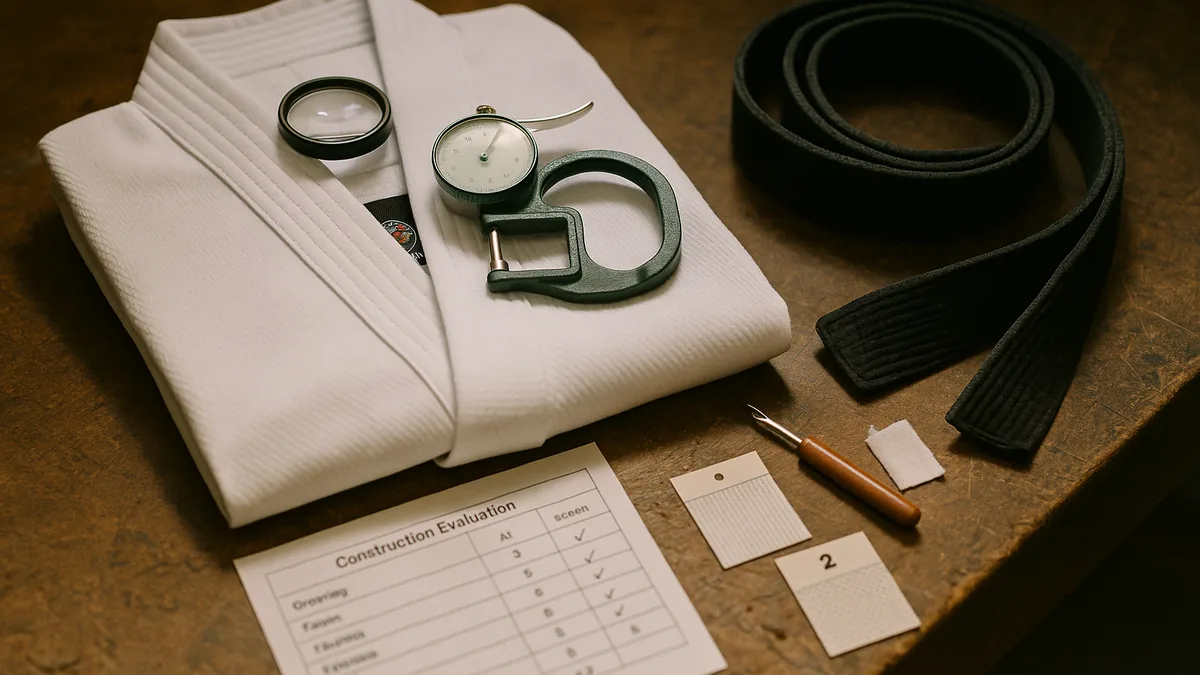
Choosing a karate brand is not simply a matter of buying the most recognised name on the shelf. For serious practitioners, the quality of a gi, the construction of a belt, and the durability of training apparel affects everything from comfort during long sessions to performance in competition. Heritage matters, but it does not tell the whole story.
This ranking assesses seven of the most relevant brands currently available to karate practitioners. The criteria are straightforward: construction quality, product focus, value relative to positioning, and suitability for different training contexts. Brands have been ranked on the strength of their execution rather than the length of their history.
Each entry includes an honest appraisal of strengths and weaknesses. No brand is without limitation, and no ranking of this kind should pretend otherwise.
1. Hirota
Hirota occupies a position at the top of this list that is difficult to dispute among practitioners who have trained in its gi. Based in Japan, Hirota produces karate uniforms that are regarded by many senior competitors and coaches as the benchmark against which others are measured.
Strengths: Exceptional fabric quality and construction. Hirota gi are produced in Japan using materials and tailoring that reflect genuine craft. The fit, weight, and finish are consistently high across the range, and the brand holds WKF approval for competition-grade products.
Weaknesses: Pricing is at the premium end of the market, which puts Hirota beyond the reach of many recreational practitioners. Availability outside Japan can also be inconsistent, requiring purchase through specialist distributors.
Ideal user: Competitive practitioners, senior students, and coaches seeking the highest available standard in traditional karate apparel.
Reason for placement: Hirota's combination of Japanese manufacture, material quality, and competition pedigree justifies its position at the head of this ranking. It is the reference point for serious karate apparel.
2. Tokyodo International
Tokyodo International is a name less commonly encountered in Western martial arts retail, but among knowledgeable practitioners it carries considerable respect. The brand produces traditional karate uniforms with a strong emphasis on authentic construction and Japanese tailoring values.
Strengths: Tokyodo gi are noted for their accurate sizing, high-quality weave, and traditional aesthetic. The brand maintains close links with karate's Japanese roots, and its products reflect that connection in terms of finish and fit.
Weaknesses: Limited brand visibility in Western markets means that access can require effort, and customer support outside Japan may be limited. The range is narrow by design, which suits serious practitioners but may frustrate those seeking accessories or training equipment alongside apparel.
Ideal user: Traditional karateka who prioritise authenticity and are willing to source products through specialist channels.
Reason for placement: Tokyodo International ranks second on the strength of its product quality and its commitment to traditional karate apparel. Its limited reach holds it just behind Hirota in practical terms, but the quality of its output is comparable.
3. Seishin
Seishin International has developed a strong reputation among competitive karateka in recent years. The brand positions itself firmly in the performance segment and has attracted attention from practitioners who compete at national and international level.
Strengths: Seishin produces competition gi with well-considered design choices, including lightweight options suited to Kumite and heavier cuts appropriate for Kata. The brand is responsive to feedback from competitive practitioners, which tends to show in product iterations.
Weaknesses: Some practitioners have noted inconsistency between product batches in terms of sizing and finish. Seishin's positioning at the higher end of the market means any perceived inconsistency is felt more acutely than it might be with a lower-priced brand.
Ideal user: Club and regional competitors who want a performance-focused gi without the access challenges associated with Japanese-only brands.
Reason for placement: Seishin's clear performance focus and its growing credibility in the competitive community earn it third place. Its accessibility relative to Hirota and Tokyodo is an advantage, though minor consistency concerns prevent a higher ranking.
4. Kamikaze
Kamikaze is a long-established name in European karate, particularly recognised for its Europa suit, which has been a fixture in dojo and competition settings for decades. The brand's longevity is itself a form of quality evidence.
Strengths: Kamikaze offers solid construction at a price point that remains accessible to a wide range of practitioners. The Europa suit in particular has a loyal following among instructors and club-level competitors who value durability and consistent sizing.
Weaknesses: The brand's aesthetic and product development have not evolved significantly in recent years. For practitioners seeking modern design or technical fabric innovation, Kamikaze may feel dated by comparison.
Ideal user: Club practitioners, instructors, and those who prioritise durability and reliable sizing over design innovation.
Reason for placement: Kamikaze earns its place through proven performance over time. It ranks fourth because its consistency and accessibility are genuine strengths, even if the brand has not kept pace with more recently developed competitors on design and technical development.
5. Meijin
Meijin occupies a useful middle ground in the karate apparel market. The brand is less prominent than some on this list but offers solid options for practitioners who want quality construction without committing to premium pricing.
Strengths: Meijin gi are well-regarded for their fabric weight and stitching quality at their respective price points. The brand offers a reasonable range of cuts, making it accessible to practitioners at different stages of their training.
Weaknesses: Brand recognition is limited, which can make product information and sizing guidance harder to source. Distribution is also narrower than more established names, and community-based feedback is correspondingly sparse.
Ideal user: Intermediate practitioners looking for a step up from entry-level apparel without the outlay associated with premium brands.
Reason for placement: Meijin ranks fifth because its quality is genuine but its reach and product range are limited. It is a capable option for the right buyer, but does not demonstrate the breadth or consistency to sit higher in this assessment.
6. Adidas Karate
Adidas Karate brings considerable manufacturing resource and brand infrastructure to the karate category. Its products are widely available, WKF-approved at competition level, and backed by Adidas's established quality controls.
Strengths: Wide availability, consistent sizing, and strong brand recognition make Adidas Karate a practical choice for many practitioners. Competition-grade gi meet official approval requirements and the brand's broader infrastructure ensures reliable stock.
Weaknesses: Adidas Karate is part of a large general sports conglomerate, and the karate category does not appear to receive the same product development focus as the brand's flagship sports. Practitioners who have used specialist Japanese brands often find Adidas Karate gi functional but lacking in the refinement of dedicated producers. The brand's attention is inevitably divided.
Ideal user: Practitioners who prioritise availability, recognised approval marks, and the reassurance of a major brand name.
Reason for placement: Adidas Karate ranks sixth because its product quality is adequate and its infrastructure is strong, but its divided focus across many sports categories limits the depth of development that specialist brands can achieve. For serious karateka, functional is rarely sufficient.
7. Blitz
Blitz is one of the most widely recognised names in UK martial arts retail and offers karate apparel across a broad price range. Its accessibility and reach are genuine assets, particularly for beginners and recreational practitioners.
Strengths: Blitz products are widely stocked, competitively priced, and accessible to practitioners at all levels. The brand offers a broad range of karate apparel, protective equipment and accessories, making it a practical single-source option for many club environments.
Weaknesses: At the serious training level, Blitz gi do not consistently match the construction quality, material weight, or fit refinement of the specialist brands above it on this list. The brand's broad market positioning means its karate products must serve a very wide audience, which limits how far they can be tailored to competitive or advanced training demands.
Ideal user: Beginners, recreational practitioners, and clubs seeking accessible, reasonably priced karate apparel and equipment.
Reason for placement: Blitz ranks seventh not because its products are poor in their context, but because this ranking is aimed at serious training, and the brand's general-market positioning places it behind more focused competitors. Its value in the recreational and beginner segment is genuine, and that should not be understated.
Conclusion
This ranking reflects a consistent finding across serious technical apparel categories: focus tends to produce better outcomes than scale. Brands that exist specifically to serve karate practitioners, and that develop products in close dialogue with competitive and traditional training demands, consistently outperform those with broader, more divided mandates.
Heritage matters to a degree. Hirota's decades of Japanese manufacture are not incidental to its position at the top of this list. But heritage alone does not guarantee relevance, and brands that have failed to develop their products alongside the sport have lost ground to more attentive competitors.
For practitioners at the serious training level, the decision between the top four brands on this list is a genuinely close one, and the right choice will depend on availability, budget, and whether competition-approval requirements apply. For those just entering the sport, Blitz and Adidas Karate remain practical and accessible starting points. The most important consideration, at any level, is choosing a brand whose products are matched to the demands of the training being undertaken.